
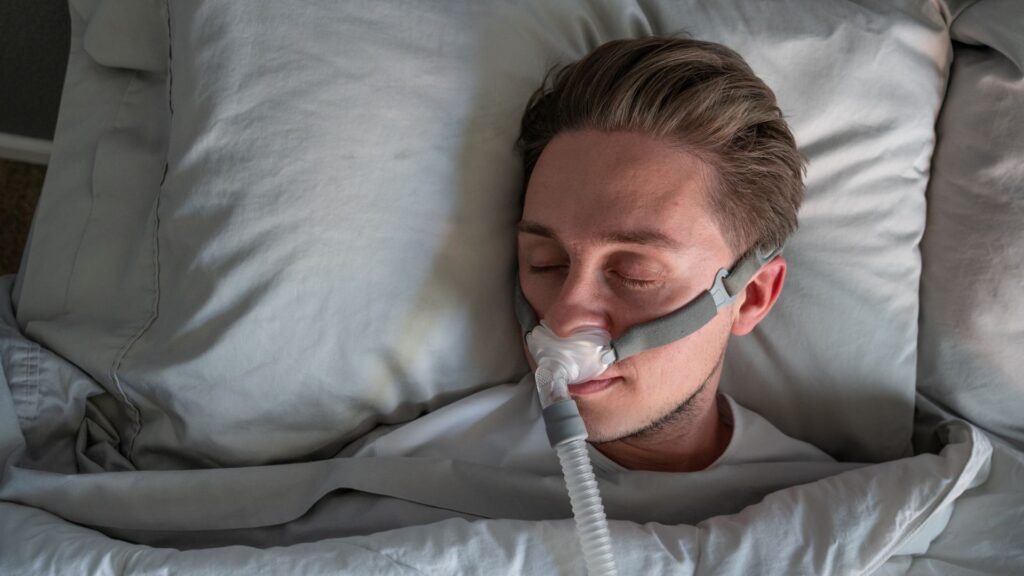
Continuous Positive Airway Pressure (CPAP) machines are essential for individuals diagnosed with obstructive sleep apnoea. These devices help maintain an open airway during sleep, significantly improving the quality of rest and overall health. If you have recently purchased a CPAP machine in Australia, it is crucial to maximise its benefits. This article provides expert tips on how to effectively use and maintain your CPAP machine for optimal results.
Understanding Your CPAP Machine
Components of a CPAP Machine
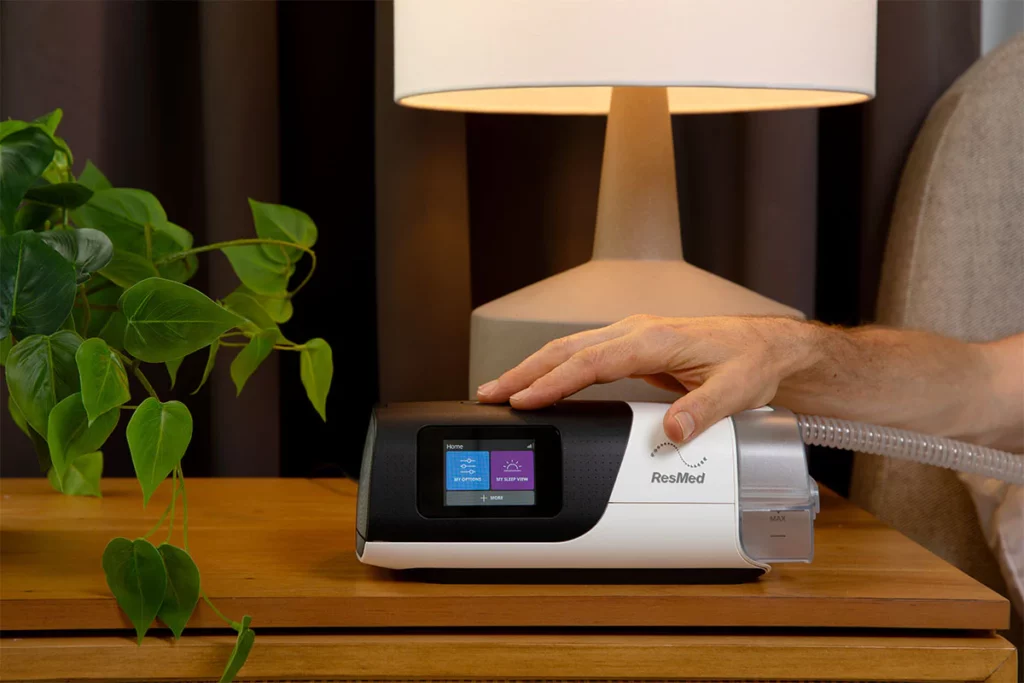
Before diving into usage tips, it is essential to familiarise yourself with the main components of your CPAP machine. Typically, a CPAP device consists of a motor, a hose, and a mask. The motor generates airflow, the hose delivers the air to your mask, and the mask fits over your nose or mouth to ensure you receive the necessary air pressure. Understanding these parts will help you troubleshoot and maintain your device effectively. Additionally, many modern CPAP machines come equipped with built-in humidifiers, which add moisture to the air, making it more comfortable to breathe during the night. This feature can be particularly beneficial for those who experience dryness or irritation in their airways, enhancing overall compliance with therapy.
Purchasing a CPAP machine Australia is a significant step towards improving sleep quality and overall health. By understanding your device, establishing a regular routine, maintaining your equipment, and addressing challenges proactively, you can maximise the benefits of your CPAP therapy. Remember that consistent communication with healthcare professionals is vital to ensure the best outcomes. With dedication and the right approach, CPAP therapy can lead to restful nights and revitalised days.
Types of CPAP Machines
There are various types of CPAP machines available, including standard CPAP, Auto-CPAP, and BiPAP machines. Standard CPAP machines deliver a constant air pressure, while Auto-CPAP machines adjust the pressure automatically based on your breathing patterns. BiPAP machines offer two levels of pressure for inhalation and exhalation, making them suitable for individuals with more complex needs. Knowing which type you have can influence how you use and care for your machine. Furthermore, some devices now feature advanced technology such as Bluetooth connectivity, allowing users to track their sleep data through mobile applications. This capability can provide valuable insights into your sleep quality and help you make informed decisions regarding your treatment.
Reading the Manual
Every CPAP machine comes with a user manual that provides specific instructions and guidelines. It is advisable to read the manual thoroughly to understand the settings, maintenance requirements, and troubleshooting tips. This knowledge will empower you to use your device effectively and address any issues that may arise. Moreover, many manufacturers offer online resources and customer support, which can be invaluable if you encounter problems or have questions about your machine’s operation. Engaging with these resources can enhance your understanding and ensure that you are getting the most out of your CPAP therapy. Familiarising yourself with the common troubleshooting steps outlined in the manual can also save you time and frustration, allowing you to quickly resolve minor issues without needing professional assistance.
Setting Up Your CPAP Machine
Choosing the Right Location
Where you place your CPAP machine can significantly affect its performance. Ideally, the machine should be set up on a flat, stable surface near your bed. Ensure that it is at least a few inches away from walls or other obstructions to allow for proper airflow. Additionally, keeping the machine close to a power outlet will prevent the need for long extension cords, which can be a safety hazard.
Adjusting the Settings
Once your machine is set up, it’s time to adjust the settings. Most CPAP machines allow users to customise the air pressure settings. It is essential to follow your healthcare provider’s recommendations regarding the pressure level. If you are unsure, consult your doctor or a sleep specialist for guidance. Regularly check the settings to ensure they remain optimal for your needs.
Mask Fitting
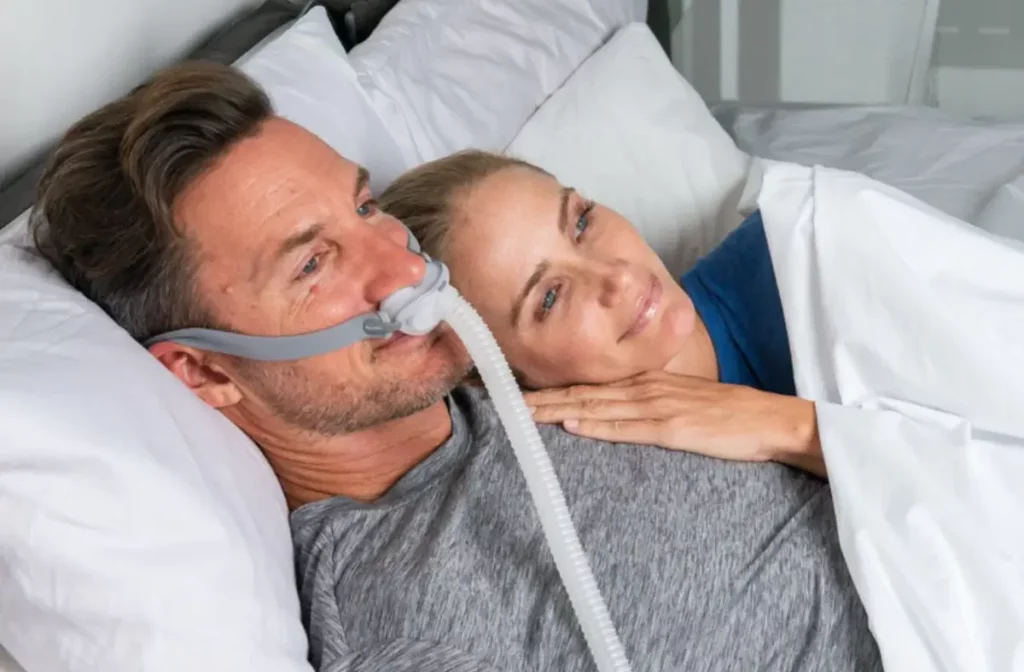
A proper mask fit is crucial for effective therapy. Most CPAP machines come with different mask sizes and styles, including nasal masks, full-face masks, and nasal pillows. Take the time to try on various options to find the one that feels most comfortable and secure. A well-fitted mask will prevent air leaks and enhance the overall efficacy of your treatment. Learn more about comfortable on https://www.purdue.edu/uns/html4ever/1997/9702.Burleson.comfort.html
Establishing a Routine
Consistency is Key
To reap the full benefits of your CPAP therapy, establishing a consistent nightly routine is essential. Try to go to bed and wake up at the same time each day, using your CPAP machine every night. Consistency will help your body adjust to the treatment, making it easier to fall asleep and stay asleep.
Creating a Comfortable Sleep Environment
Your sleep environment plays a significant role in the effectiveness of CPAP therapy. Ensure your bedroom is conducive to sleep by keeping it dark, quiet, and cool. Consider using blackout curtains, earplugs, or a white noise machine to minimise disturbances. A comfortable mattress and pillows can also enhance your overall sleep quality.
Gradual Adjustment
If you are new to CPAP therapy, it may take some time to adjust. Start by using the machine for short periods while awake to become accustomed to the sensation of airflow. Gradually increase the duration until you can comfortably wear it throughout the night. Patience is vital during this adjustment phase.
Maintaining Your CPAP Machine
Regular Cleaning
To ensure optimal performance and hygiene, regular cleaning of your CPAP machine is essential. Most manufacturers recommend cleaning the mask, hose, and water chamber daily. Use mild soap and warm water, and rinse thoroughly to remove any residue. Additionally, the machine itself should be wiped down periodically to prevent dust accumulation.
Replacing Parts
Over time, certain parts of your CPAP machine will need replacement to maintain efficacy. Masks, cushions, and hoses can wear out and may need to be replaced every few months, depending on usage. Check your user manual for specific recommendations on replacement schedules. Keeping spare parts on hand can prevent disruptions in your therapy.
Monitoring Performance
Many modern CPAP machines come equipped with data tracking features that monitor your usage and therapy effectiveness. Regularly review this data to assess your progress. If you notice any issues, such as increased snoring or excessive daytime sleepiness, consult your healthcare provider for further evaluation.
Addressing Common Challenges
Dealing with Discomfort
It is not uncommon for new CPAP users to experience discomfort, including nasal congestion, dry mouth, or skin irritation. To alleviate these issues, consider using a humidifier attachment, which adds moisture to the air and can help reduce dryness. Additionally, ensure that your mask fits properly to minimise pressure points and irritation. To read more about pressure click here.
Managing Anxiety
Some individuals may feel anxious about using a CPAP machine, especially if they are not accustomed to wearing a mask while sleeping. To combat this anxiety, practice relaxation techniques such as deep breathing or meditation before bedtime. Gradually increasing your familiarity with the machine can also help ease any apprehensions.
Seeking Support
Connecting with others who use CPAP machines can provide valuable support and encouragement. Consider joining a local support group or online forum where you can share experiences, tips, and advice. Hearing from others who have successfully navigated similar challenges can be reassuring and motivating.
Consulting Healthcare Professionals
Regular Check-Ups
Regular follow-up appointments with your healthcare provider are essential to monitor your progress and adjust your treatment plan as needed. These check-ups allow for a comprehensive review of your therapy’s effectiveness and any necessary modifications to your machine settings or mask type.
Professional Guidance
If you encounter persistent issues with your CPAP therapy, do not hesitate to seek professional guidance. Sleep specialists can offer tailored advice and solutions to enhance your experience. They may suggest additional therapies or adjustments to improve your sleep quality further.
Staying Informed
The field of sleep medicine is continually evolving, with new research and technologies emerging regularly. Staying informed about advancements in CPAP therapy can help you make the most of your treatment. Consider subscribing to reputable health publications or following relevant organisations online for updates and insights.
Read more on: How to Spot the Best CPAP Machine Key Features for Every Sleeper